
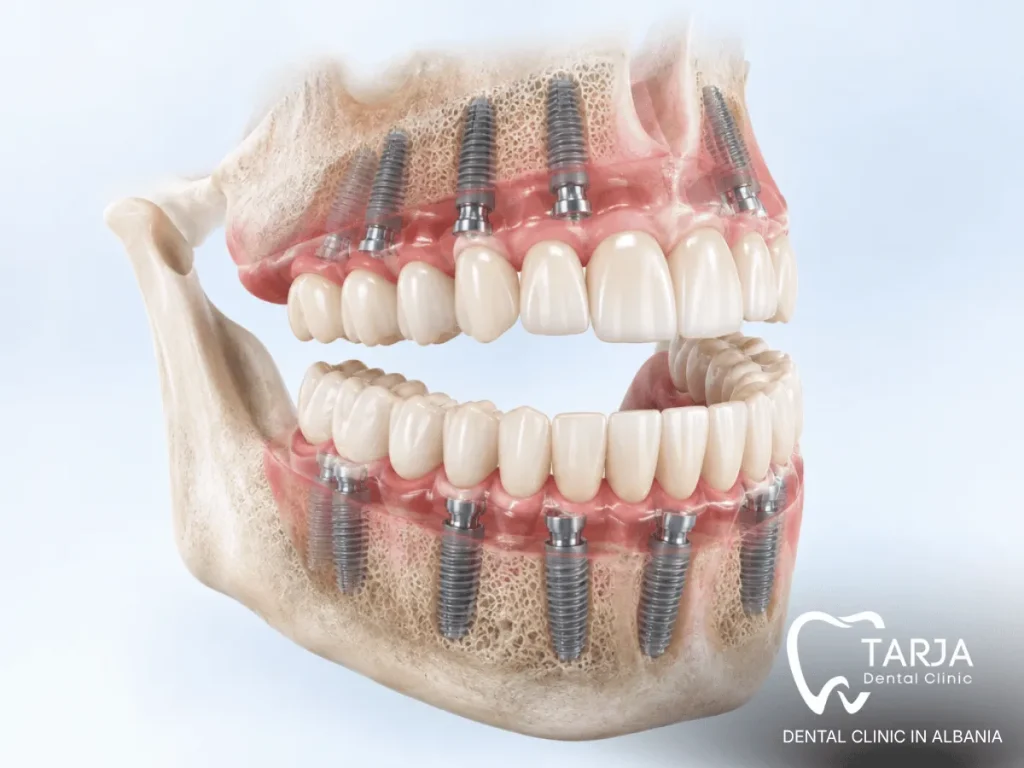
You may be a candidate for full mouth dental implants if most or all of the teeth in one or both jaws are missing or cannot be predictably restored, your gums are healthy or can be treated, and your general health allows implant surgery and healing. You also need enough usable jawbone—or a clinically appropriate way to rebuild or work with the available bone—and the ability to clean and maintain the finished restoration.
Age alone usually does not decide the answer. Neither does a single X-ray, a photograph or an online questionnaire. A reliable decision requires a dental examination, a review of your medical history and medications, assessment of every remaining tooth, and usually three-dimensional imaging. This guide explains what clinicians look for, which conditions may require extra planning and when treatment should be postponed.
Important: This page provides general education and cannot determine your personal eligibility. Only a qualified dental professional who has examined you can diagnose your condition and recommend treatment.
Quick full-mouth dental implant eligibility checklist
You may be suitable for an implant-supported full-arch restoration when most of the statements below apply:
- You have lost most or all teeth in an upper or lower jaw, or several remaining teeth have a poor long-term prognosis.
- Any active tooth decay, gum infection or periodontal disease can be treated and brought under control.
- Your jaw has enough bone in suitable areas, or grafting and another implant plan are reasonable options.
- Medical conditions such as diabetes or cardiovascular disease are stable and appropriately managed.
- You do not smoke, or you are prepared to discuss cessation and the additional risks with your clinicians.
- You can follow post-operative instructions, attend reviews and maintain careful daily hygiene.
- You understand that temporary teeth, healing, final teeth and long-term maintenance are separate stages.
- You want a fixed or implant-retained solution and have realistic expectations about function, appearance, risk and cost.
This checklist is a starting point, not a diagnosis. Some people who do not meet every item can still receive implants after risk factors are addressed. Others may look suitable initially but need a different treatment after imaging or medical review.
What “full-mouth dental implants” actually means
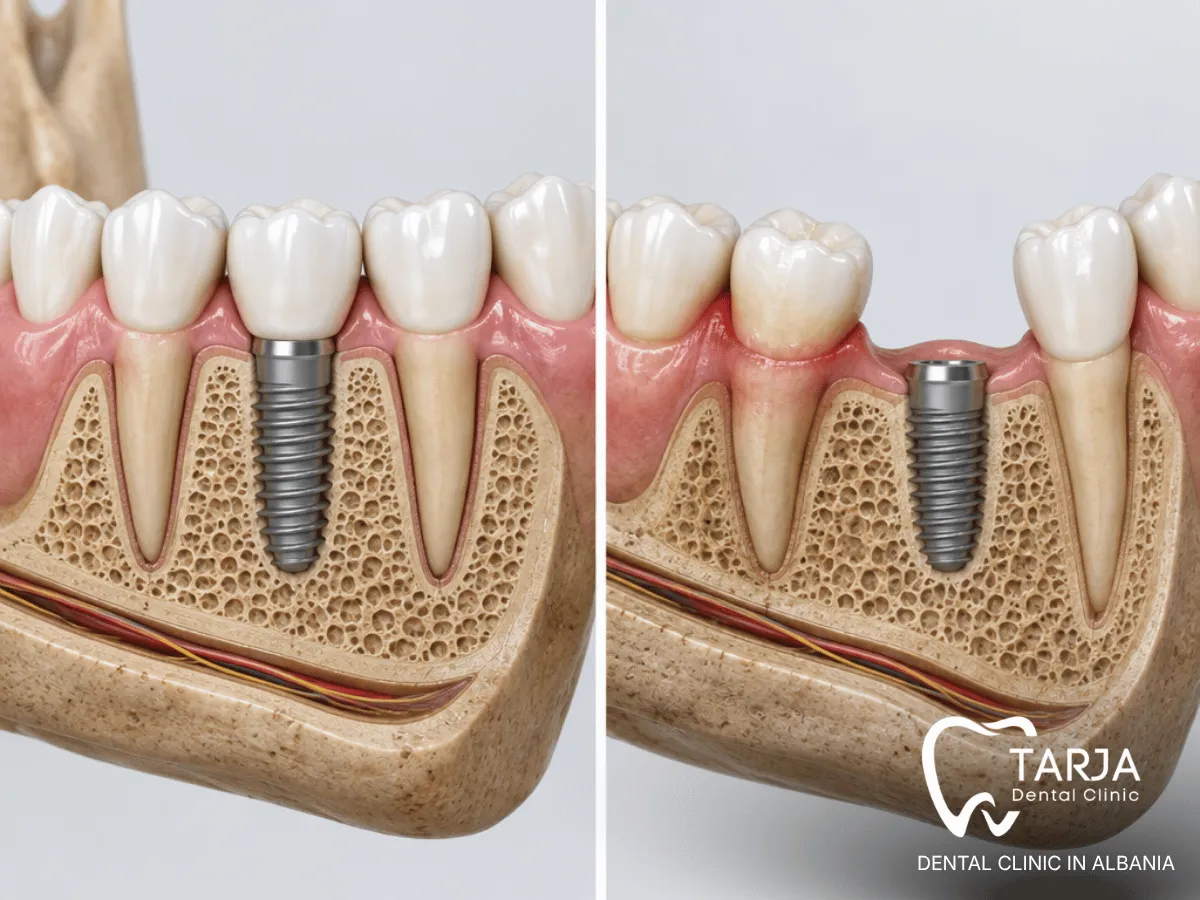
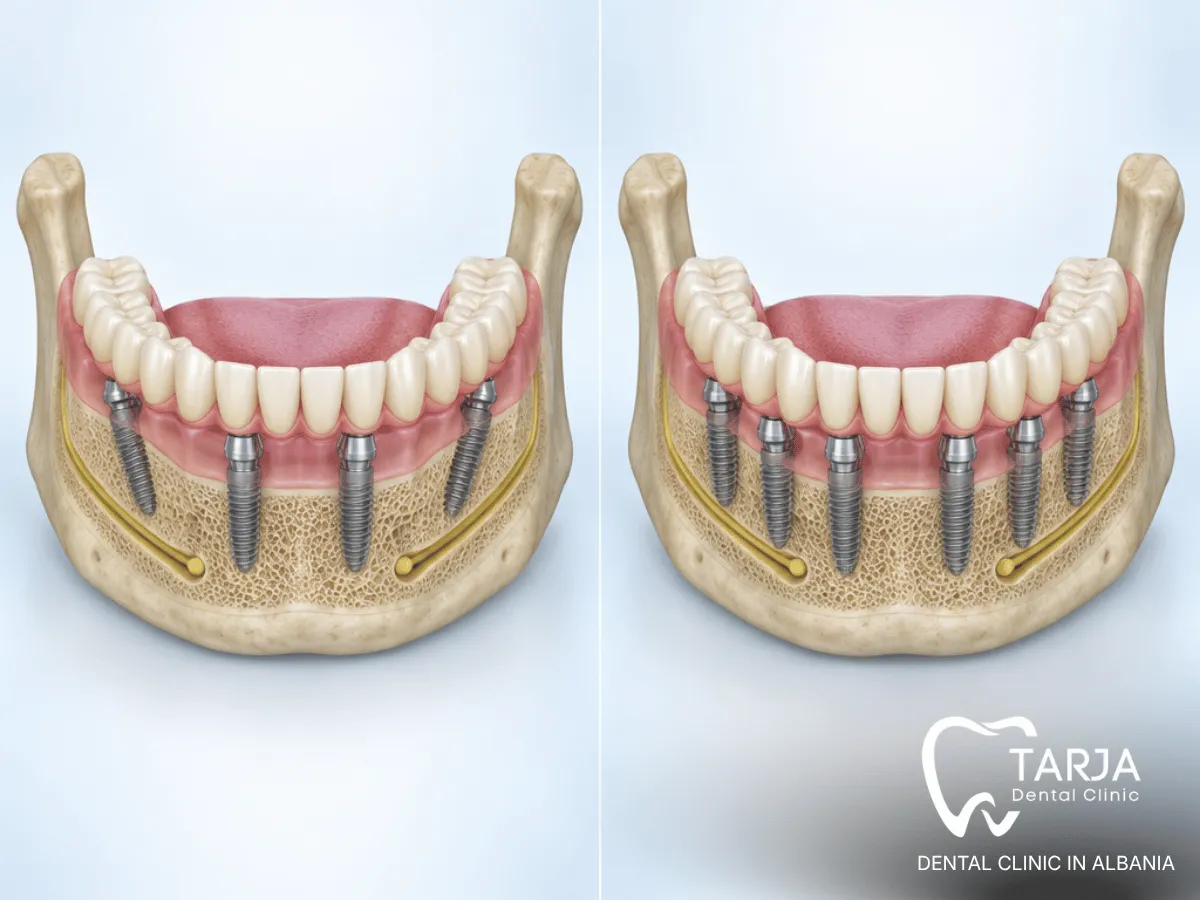
“Full-mouth” is used loosely. It may mean replacing all teeth in one jaw, called a full arch, or treating both the upper and lower jaws. It usually does not mean placing one implant for every missing tooth. Instead, several implants are positioned to support a connected bridge or to retain a removable overdenture.
A fixed full-arch design may use four, six or another clinically selected number of implants. The right number is not chosen from a marketing label. It depends on bone volume and quality, implant distribution, bite forces, available restorative space, the opposing teeth and the design of the final bridge. Learn more about Tarja Dental Clinic’s dental implant treatment, All-on-4 implants and All-on-6 dental implants.
The purpose of a proper candidacy assessment is therefore broader than asking, “Can implants be placed?” The team must determine whether a safe, cleanable and maintainable restoration can be built around them.
Seven factors that determine whether you are a candidate
1. The condition of your remaining teeth
Full-arch treatment is generally considered when teeth are already missing or when the remaining teeth cannot be maintained predictably because of extensive decay, fractures, severe periodontal support loss or repeated failure. Teeth that can be successfully restored should not be removed simply to make a treatment faster or more convenient.
Each tooth should receive an individual prognosis. In some cases, keeping selected healthy teeth and using conventional crowns, bridges or partial implant treatment is more conservative. In others, repeatedly repairing teeth with a poor prognosis may add cost and delay a more stable solution. The decision should compare realistic alternatives, not assume that every damaged tooth is hopeless.
2. Gum health and active infection
Healthy soft tissue is essential around dental implants. Active periodontal disease, untreated abscesses and poor plaque control raise concern because implants can also develop inflammatory disease and supporting bone loss. The American Academy of Periodontology identifies good general and oral health, adequate bone and gum tissue free of periodontal disease as core features of an ideal implant candidate.
A history of gum disease does not automatically rule out treatment. It does mean the disease should be stabilized, risk factors managed and maintenance taken seriously. Your clinician may recommend periodontal therapy before implant surgery and shorter review intervals afterward.
3. Jawbone quantity, quality and anatomy
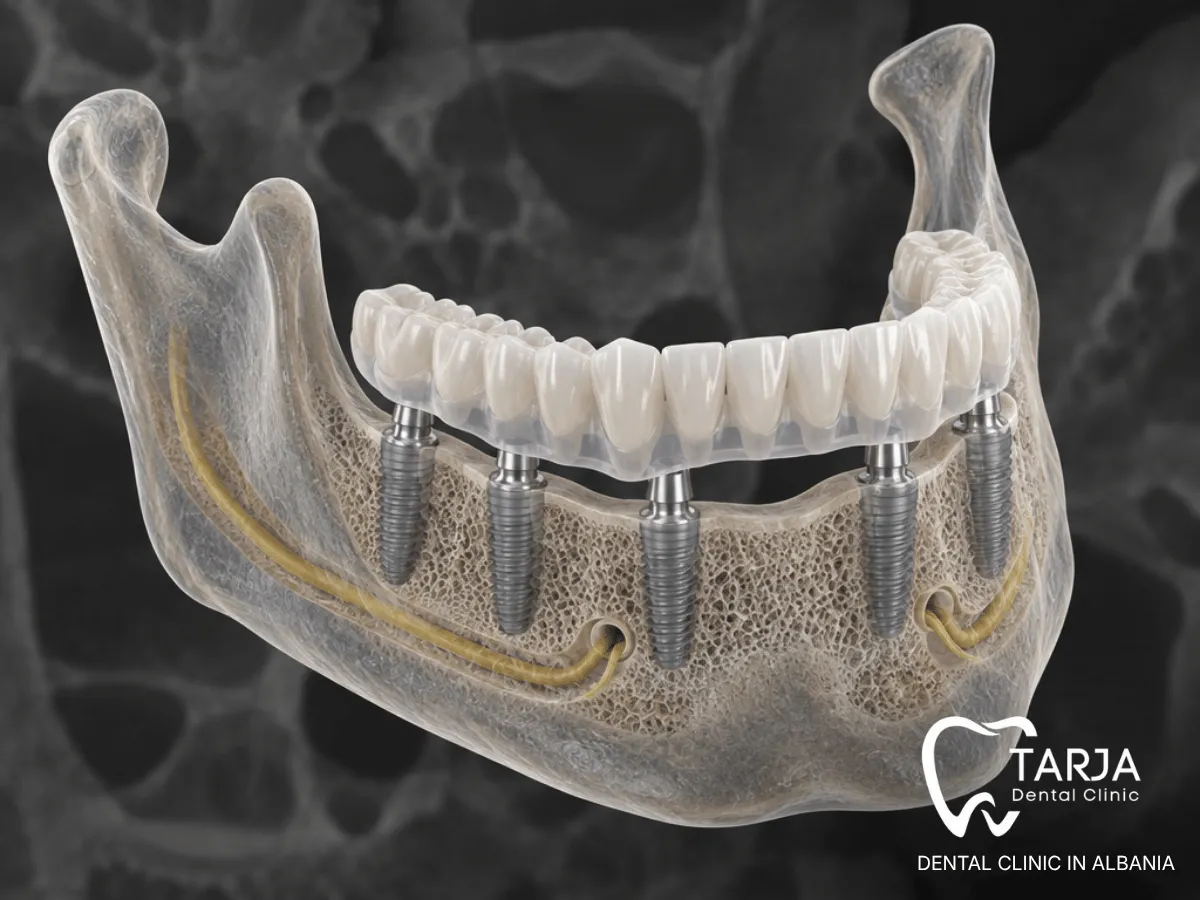
Implants need stable bone in safe positions. A panoramic X-ray offers a broad overview, but cone-beam computed tomography (CBCT) provides three-dimensional information about bone dimensions and important anatomy such as nerves and sinus spaces. It also helps the team plan implant angulation and the position of the future teeth.
Bone loss does not necessarily mean you cannot have implants. Depending on the location and severity, options may include ridge augmentation, sinus augmentation, a staged bone graft or a full-arch design that uses available bone strategically. However, not every person is suitable for every technique, and avoiding a graft is not always the safest or best objective. The final plan must be based on your anatomy and prosthetic needs.
4. General health and healing capacity
Your overall health can affect surgical risk, healing and the long-term behavior of implants. The U.S. Food and Drug Administration’s patient guidance advises discussing health, benefits and risks with the dental provider and notes that uncontrolled diabetes may increase the likelihood of systemic infection. Conditions are assessed individually rather than by diagnosis alone.
Tell the implant team about diabetes, heart or lung disease, immune disorders, bleeding disorders, kidney or liver disease, previous head-and-neck radiation, cancer treatment and any condition that affects healing. When needed, the dentist should coordinate with your physician before treatment. Elective implant surgery may be postponed until an unstable condition is better controlled.
5. Medications and previous treatment
Provide a complete list of prescriptions, over-the-counter drugs and supplements. Anticoagulants and antiplatelet medicines require a bleeding-management plan, but you should never stop them on your own. Changes, if any, must be agreed with the prescribing clinician.
Also disclose antiresorptive or antiangiogenic medicines used for osteoporosis or cancer, including bisphosphonates and denosumab. The indication, dose, route, duration and other risk factors can affect the discussion about medication-related osteonecrosis of the jaw. Steroids, immunosuppressants and some other medicines may also influence risk. Medication use may call for further evaluation; it is not a reason to conceal treatment or discontinue it without medical advice.
6. Smoking, vaping and other lifestyle risks
Smoking can delay healing and reduce long-term implant success, according to the FDA. A systematic review indexed by PubMed also found an adverse effect of smoking on implant survival and success. Nicotine exposure, heavy alcohol use and recreational drugs should therefore be discussed honestly during planning.
Smoking is not treated identically in every case, but it changes the risk conversation. Your dental and medical teams may recommend stopping before surgery and remaining tobacco-free during healing and beyond. The safest timing and cessation support should be personalized rather than improvised immediately before treatment.
7. Hygiene, expectations and long-term maintenance
Fixed implant teeth are not maintenance-free. You must clean underneath the bridge and around the implant connections using the tools recommended for your design. Professional examinations and hygiene visits help monitor the tissues, bite, screws, implants and prosthesis. The FDA and the American Academy of Periodontology both emphasize daily cleaning and regular follow-up.
Bruxism, or clenching and grinding, does not automatically prevent treatment, but it can influence implant distribution, restorative material, bite design and whether a protective night guard is recommended. Physical dexterity, vision and access for cleaning also matter. If a fixed bridge would be difficult to maintain, a removable implant-retained option may be safer.
Conditions that do not automatically disqualify you
| Factor | What it may mean for candidacy |
|---|---|
| Older age | There is no single upper age that determines eligibility. General health, healing capacity, independence, medications and the expected benefit are more important than the number of birthdays. |
| Diabetes | Well-managed diabetes may be compatible with implant treatment. Poor glycaemic control can increase infection and healing concerns, so current medical information and coordination may be needed. There is no universal HbA1c cutoff for every patient and procedure. |
| Previous gum disease | Treatment may remain possible after the disease is controlled, but recurrence and peri-implant disease risk require disciplined hygiene and maintenance. |
| Significant bone loss | Grafting, different implant positions or a different prosthetic design may help. CBCT imaging and a restorative plan are needed before concluding that implants are or are not possible. |
| Osteoporosis | The diagnosis itself is not always an exclusion. Bone condition, fracture risk, medication type and other health factors need individual assessment. |
| Blood-thinning medication | The dental team may coordinate a safe surgical plan with the prescriber. Never change or stop the medicine without instructions from the clinician who manages it. |
| Smoking | Smoking raises healing and failure concerns. Cessation and a candid risk discussion may improve the treatment outlook, but suitability remains case-specific. |
| Wearing dentures for years | Long-term tooth loss can reduce bone volume, but the extent varies. Imaging is needed to determine whether implants, grafting or an overdenture are reasonable. |
When implant treatment may need to wait
You may not be ready for surgery now if you have active oral infection, untreated periodontal disease, an uncontrolled medical condition, incomplete medical information or an inability to follow hygiene and follow-up instructions. Recent or ongoing cancer therapy, previous radiation to the jaws, certain medications, severe immune suppression or complex bleeding risk may require specialist and physician input.
“Not now” is not always “never.” A phased plan may begin with infection control, periodontal treatment, smoking cessation support, adjustment of poorly fitting dentures, medical stabilization or bone reconstruction. Conversely, if risk remains unacceptably high or the proposed restoration cannot be cleaned or supported predictably, a conventional removable denture may be the more responsible recommendation.
How a dentist decides if you are a candidate for full mouth dental implants
A complete assessment should connect the surgical plan to the finished teeth. It commonly includes:
- Your goals and concerns: what you want to improve, problems with current teeth or dentures, preferred fixed or removable options and your expectations for appearance and function.
- Dental and periodontal examination: decay, infection, gum health, mobility, bone support and a prognosis for every remaining tooth.
- Medical and medication review: health conditions, allergies, previous operations, smoking, previous radiation or cancer therapy, and all medicines and supplements.
- Imaging: current dental X-rays and, when indicated, CBCT imaging to assess bone and anatomy in three dimensions.
- Bite and function assessment: jaw relationship, available space, clenching or grinding, speech, lip support and the condition of the opposing teeth.
- Prosthetic planning: implant positions, temporary teeth, hygiene access, final bridge design and restorative materials.
- Alternatives, risks and maintenance: what happens if you keep selected teeth, use fewer implants, choose an overdenture or continue with conventional dentures.
Remote review can be useful for preliminary guidance, particularly for international patients, but it cannot replace the in-person examination or required imaging. A provisional proposal may change after the clinical findings are confirmed.
All-on-4, All-on-6 or another option?
Being a candidate for implants does not automatically make you a candidate for a particular branded or numerical approach. Four implants may provide an appropriate full-arch foundation in selected cases. Six may offer different implant distribution or prosthetic options when anatomy and restorative space permit. More implants do not automatically mean a better result, and fewer do not automatically mean less invasive treatment.
The plan should consider the upper and lower jaws separately. The upper jaw often has different bone density and sinus anatomy from the lower jaw. You might qualify for one design in the upper arch and another in the lower, or need treatment in only one arch. Our guide to All-on-4 versus All-on-6 dental implants explains the planning differences in more detail.
Other possibilities include:
- preserving treatable teeth and replacing only those that are missing;
- a fixed bridge supported by conventionally positioned implants;
- an implant-retained removable overdenture;
- a conventional complete denture; or
- a staged plan involving periodontal care, extractions or bone grafting before implants.
Can you receive fixed teeth on the same day?
Some patients can receive a fixed provisional bridge shortly after implant placement. This is called immediate loading. It does not mean healing is complete or that the temporary bridge is the final restoration. Immediate loading depends on factors such as implant stability, bone quality, implant distribution, bite forces and the ability to protect the provisional teeth during healing.
If the required stability is not achieved, a delayed-loading approach or a removable temporary restoration may be safer. The implants then need time to integrate with the bone. The FDA notes that implant healing can take several months or longer. See our detailed guide to dental implant recovery and complete healing.
What to expect if you are travelling for treatment
International full-arch treatment must be planned around biology, not just flight dates. A remote first review may use recent X-rays, photographs, medical history and a description of your goals. Definitive eligibility, implant positions and whether immediate provisional teeth are possible are confirmed after an in-person examination and appropriate imaging.
Treatment is often staged because implant integration occurs over time. Ask who will provide urgent care after you return home, what follow-up is required, which implant system is used and how records will be shared. The FDA recommends keeping the brand and model of the implant system for your records. Tarja Dental Clinic’s dental tourism information explains the support available for patients travelling to Albania.
What to send for a preliminary assessment
If you are considering treatment at Tarja Dental Clinic in Durrës, Albania, useful starting information includes:
- a recent panoramic X-ray, if available;
- any CBCT scan files and radiology report you already have;
- clear photographs of your smile, teeth and current dentures;
- a list of medical conditions, allergies, medications and supplements;
- details of previous implant, grafting, periodontal or radiation treatment;
- whether you smoke or use nicotine products;
- the main problems you want treatment to solve; and
- whether you are seeking treatment for the upper jaw, lower jaw or both.
These records can support an initial conversation, but final recommendations and fees should follow confirmed clinical findings. To begin, contact Tarja Dental Clinic and ask for a full-mouth implant assessment.
Frequently asked questions
Am I too old for full-mouth dental implants?
There is no universal upper age limit. The more relevant questions are whether you are healthy enough for the procedure, can heal, can maintain the restoration and are likely to benefit from it. Older adults may need closer medical coordination, but age by itself does not determine eligibility.
Can I have full-mouth implants if I have bone loss?
Possibly. The location and severity of bone loss matter. Some cases can use available bone through careful implant positioning; others need ridge or sinus augmentation, and some are better served by a different restorative design. CBCT imaging is usually needed to assess this accurately.
Can people with diabetes receive dental implants?
Many people with well-managed diabetes may be considered, but poor glycaemic control can increase healing and infection concerns. A systematic review on diabetes and peri-implant disease found an association between diabetes or hyperglycaemia and greater peri-implantitis risk. Your clinician may request current medical information and coordinate with the professional managing your diabetes.
Can smokers get full-mouth dental implants?
Smoking does not produce the same decision in every patient, but it is a recognized risk factor for delayed healing and lower implant success. Be honest about current use and discuss a cessation plan with your healthcare professionals. Continuing to smoke may change whether, when or how treatment is recommended.
Do all my remaining teeth need to be removed?
No. Extraction should follow a tooth-by-tooth diagnosis and prognosis. Restorable teeth with adequate support may be worth preserving. Full-arch replacement becomes more reasonable when the remaining teeth cannot provide a predictable, maintainable result or when other options carry a poor overall prognosis.
How many implants are needed for a full mouth?
There is no single number for everyone. A fixed arch may be supported by four, six or another planned number of implants, and treating both jaws requires separate planning for each. Bone, anatomy, bite, prosthetic design and risk distribution all influence the choice.
Can I get only upper or lower full-arch implants?
Yes. A person can need and qualify for treatment in one arch while keeping natural teeth or another restoration in the opposing arch. The bite between them must still be carefully designed.
Is an online consultation enough to confirm candidacy?
No. It can identify likely options and missing records, but definitive candidacy requires an in-person examination and appropriate imaging. Plans may change when bone, gums, bite and remaining teeth are assessed directly.
Take the next step toward a personal answer
The best candidate for full mouth dental implants is not simply someone who has lost teeth. It is someone whose oral disease and medical risks can be controlled, whose anatomy can support a sound implant and prosthetic plan, and who can commit to hygiene and lifelong professional maintenance.
If you are missing many teeth, struggling with loose dentures or have been told that your remaining teeth have a poor prognosis, a structured assessment can clarify your options. Request a consultation with Tarja Dental Clinic to discuss your records and arrange the examination needed for an individualized recommendation.
Medical disclaimer: This article is for general information and is not a substitute for diagnosis, medical advice or treatment by a qualified dentist or physician. Implant suitability, risks, alternatives and timing must be assessed individually.


