
 Skip to content
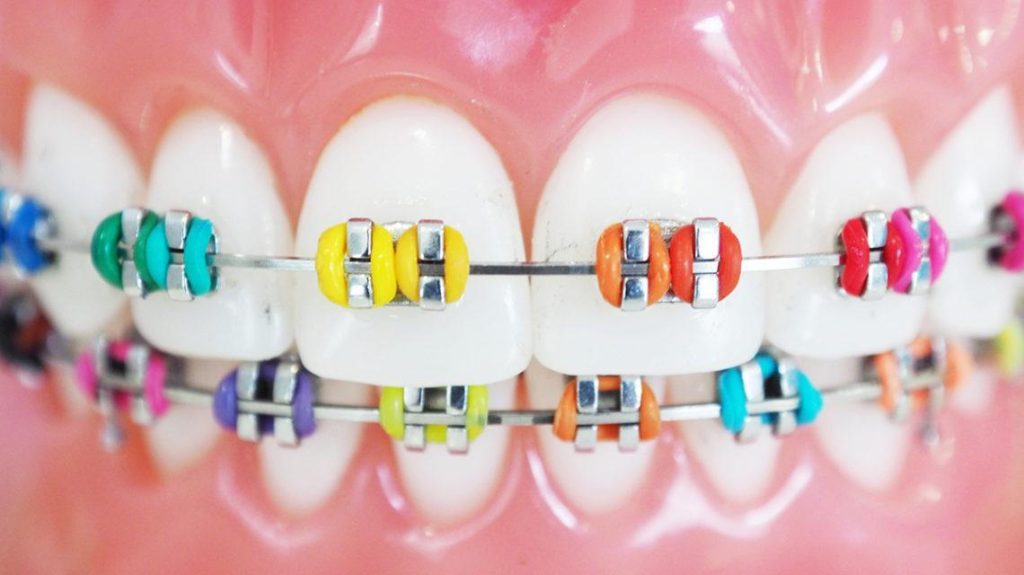
For anyone thinking about straightening their teeth, the first question that usually comes up is: Do dental braces hurt? It’s a natural concern after all, braces involve moving your teeth into new positions. The good news is that modern orthodontic techniques have made the process far more comfortable than most people expect.
In this comprehensive guide, we’ll explain what braces feel like, how long discomfort lasts, and how to manage it easily, especially if you’re considering orthodontic treatment at Tarja Dental Clinic in Albania, a trusted destination for affordable, high-quality dental care.
Do Dental Braces Really Hurt?
The short answer is: no, braces don’t truly “hurt”, but you may feel some pressure or mild soreness during certain stages of treatment.
This is completely normal, it simply means that your teeth are responding to gentle, continuous force. The sensation usually lasts only a few days after the braces are applied or adjusted.
Think of it less as pain and more as temporary tenderness as your mouth adapts to change.
What to Expect When You First Get Braces
During the first few days after placement, you might experience:
-
Mild soreness in teeth and gums
-
Sensitivity when biting or chewing
-
Slight irritation on the inside of cheeks or lips
This discomfort peaks within the first 48–72 hours and gradually fades as your mouth adjusts.
At Tarja Dental Clinic, orthodontists use low-friction, high-precision bracket systems and heat-activated wires that move teeth gently — minimizing pain and speeding up treatment time.

When Braces Are Tightened or Adjusted
Every few weeks, your orthodontist will adjust the wires to continue guiding your teeth into place. After these visits, it’s normal to feel mild tightness or pressure for 1–2 days.
Pro Tip: Eating soft foods (like soups, yogurt, mashed potatoes, or smoothies) and rinsing with warm salt water can ease this temporary tenderness.
Common Myths About Braces and Pain
There are many misconceptions about orthodontic discomfort. Let’s clear up a few:
| Myth | Reality |
|---|---|
| Braces cause constant pain | False — discomfort is temporary and manageable. |
| You can’t eat normally | False — after the first few days, you can enjoy most foods. |
| Tightening appointments are painful | False — modern braces use light pressure systems. |
| Braces damage teeth | False — when cleaned properly, they protect your long-term oral health. |
The truth is: with today’s technology and expert care, orthodontic treatment is more comfortable than ever.
How Long Does Discomfort Last?
Here’s a general timeline of what patients experience:
| Stage | Duration of Discomfort | Description |
|---|---|---|
| Initial placement | 2–5 days | Mild soreness as teeth start moving |
| Wire adjustments | 1–3 days | Light pressure or tightness |
| End of first month | Minimal | Teeth and gums adapt to braces |
| After 3 months | None | Braces feel natural and comfortable |
After the first few weeks, most patients forget they’re even wearing braces!
How to Relieve Discomfort from Braces
Follow these dentist-approved tips to keep your treatment as smooth as possible:
-
Use orthodontic wax to cover any sharp edges that irritate your cheeks.
-
Rinse with warm salt water to soothe sore gums.
-
Eat soft foods for the first few days after adjustments.
-
Avoid crunchy or sticky foods that could pull on brackets.
-
Take mild pain relief (only if needed and approved by your dentist).
-
Maintain excellent oral hygiene to prevent inflammation or infection.
At Tarja Dental Clinic, patients receive a personalized comfort kit with orthodontic wax, mouth rinse, and dietary guidance for the first week.

The Role of Technology in Reducing Pain
Modern orthodontics has evolved dramatically. At Tarja Dental Clinic Albania, braces are designed for comfort and efficiency:
-
3D digital scanning (no messy impressions)
-
Self-ligating brackets for lower friction and faster results
-
Thermo-elastic wires that apply consistent, gentle pressure
-
Clear aligner alternatives (like Invisalign) for even greater comfort
These advancements mean less time in the chair — and less soreness overall.
Clear Aligners vs Traditional Braces: Which Hurts More?
Many patients ask whether clear aligners are less painful than metal braces. The answer depends on individual cases, but aligners generally cause slightly less irritation because there are no brackets or wires.
However, both systems work by moving teeth gradually, so mild tenderness is inevitable in the early days.
| Treatment | Comfort Level | Best For |
|---|---|---|
| Traditional Braces | Moderate – short-term pressure after adjustments | Complex orthodontic cases |
| Clear Aligners (Invisalign) | High – minimal irritation, removable | Mild to moderate misalignment |
Both options can be equally effective when managed by an experienced orthodontist.

Why Orthodontic Care Doesn’t Have to Be Stressful
At Tarja Dental Clinic in Durrës, our orthodontic treatments are designed around your comfort. We understand that starting braces can be emotionally and physically new, so our team provides:
-
Gentle, precise bracket placement to reduce soreness
-
Clear instructions and ongoing support
-
Multilingual communication (English, Italian, German)
-
Follow-up appointments to monitor your comfort and progress
Our goal isn’t just straight teeth — it’s a stress-free experience that gives you confidence every step of the way.
Do Braces Hurt More for Adults or Teenagers?
Contrary to what many believe, adults and teens experience similar levels of discomfort. However, adults may take slightly longer to adapt because their jawbone is denser.
Still, the difference is minor, and proper care ensures a smooth transition for patients of any age.
Conclusion: Braces Don’t Hurt — They Transform
So, do dental braces hurt? Not really, they may cause mild soreness at the beginning, but this is temporary and manageable. Within a few days, you’ll adjust completely, and the reward, a perfectly aligned, confident smile, is worth every moment.
At Tarja Dental Clinic Albania, we use advanced orthodontic systems to ensure your journey to straight teeth is smooth, efficient, and comfortable.
If you’re considering braces abroad, discover why thousands of patients from Italy, the UK, and Germany choose Albania for top-quality orthodontic care at affordable prices.
