

When restoring a damaged or discolored tooth, choosing the right crown material is essential for both functionality and aesthetics. The two most popular options today are zirconia and porcelain crowns, each offering distinct advantages in terms of appearance, strength, and longevity.
In this detailed guide, Tarja Dental Albania explains everything you need to know about zirconia vs porcelain crowns, helping you choose the best solution for your smile.
What Are Dental Crowns and Why Are They Needed?
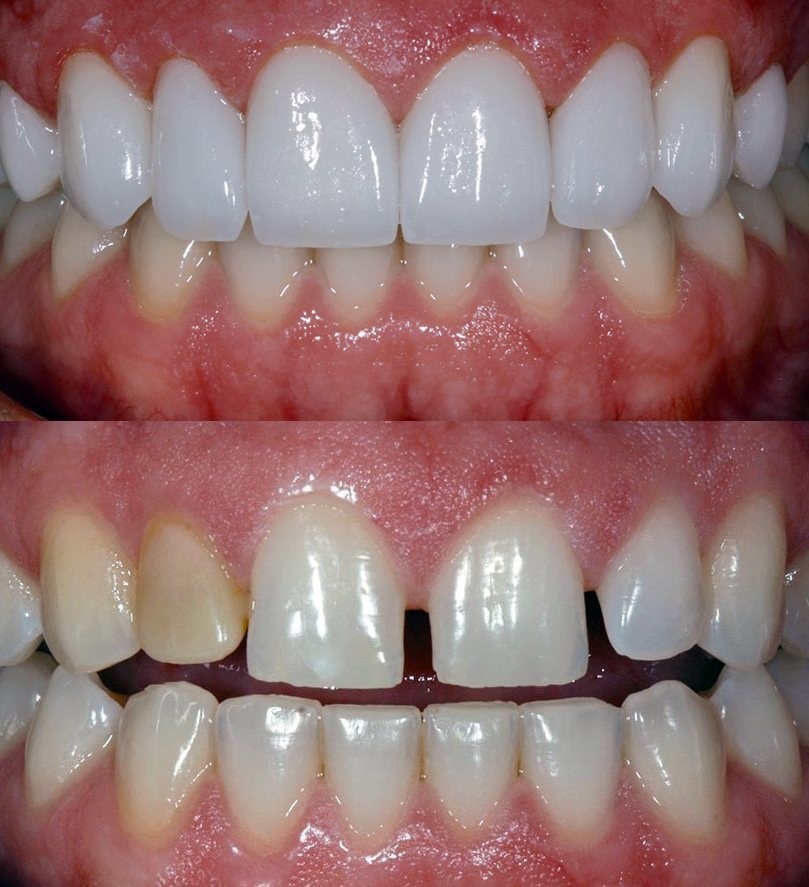
A dental crown is a custom-made cap that covers and protects a damaged tooth, restoring its original shape, strength, and appearance. Crowns are used after root canal treatments, dental implant procedures, or to improve the aesthetics of worn or broken teeth.
At Tarja Dental, our crowns are crafted with CAD/CAM digital precision, ensuring a perfect fit and natural results. But before choosing the material, it’s important to understand the key differences between zirconia and porcelain.
Zirconia vs Porcelain Crowns: Overview
| Feature | Zirconia Crown | Porcelain Crown |
|---|---|---|
| Material | Zirconium dioxide (a type of ceramic oxide) | Porcelain layered over a metal or ceramic base |
| Strength | Extremely strong and fracture-resistant | Weaker; may chip under heavy pressure |
| Aesthetics | Natural-looking, slightly less translucent than porcelain | Highly aesthetic with superior translucency |
| Biocompatibility | 100% metal-free and hypoallergenic | May contain metal (in porcelain-fused-to-metal crowns) |
| Durability | 15–20 years or more with proper care | 10–15 years depending on maintenance |
| Ideal for | Back teeth, implants, full-mouth restorations | Front teeth where appearance is key |
Both options can beautifully restore your smile, but the right choice depends on your dental needs, bite strength, and cosmetic preferences.

Advantages of Zirconia Crowns
Exceptional Strength and Durability
Zirconia is known for its outstanding hardness and fracture resistance, making it ideal for molars or patients with strong bites or bruxism (teeth grinding).Metal-Free and Biocompatible
Zirconia crowns are made entirely of ceramic oxide, meaning they are biocompatible, non-allergenic, and safe for patients with metal sensitivities.Minimal Tooth Preparation
Because of their high strength, zirconia crowns require less removal of natural tooth structure, preserving more of your healthy enamel.Long Lifespan
With proper oral hygiene, zirconia crowns can last 15–20 years or longer, maintaining their color and structure over time.CAD/CAM Precision
Tarja Dental uses digital scanning and milling systems for zirconia crowns, ensuring a precise fit and natural look.
Advantages of Porcelain Crowns
Superior Aesthetic Appearance
Porcelain crowns mimic the translucency and light reflection of natural enamel better than any other material, making them ideal for front teeth restorations.Natural Color Matching
They can be layered and tinted to perfectly match your adjacent teeth for a seamless smile.Comfortable Fit
Porcelain crowns are lightweight and feel natural once cemented, providing long-term comfort.Excellent for Cosmetic Dentistry
Many patients choose porcelain crowns as part of a smile makeover due to their unmatched aesthetics.
Disadvantages of Each
| Material | Disadvantages |
|---|---|
| Zirconia | Slightly less translucent than porcelain; can appear opaque under certain lighting conditions. Requires specialized polishing to prevent wear on opposing teeth. |
| Porcelain | More fragile; may chip or crack over time, especially in patients who grind their teeth. Metal-based versions can cause a gray line near the gum line. |
Cost Comparison: Zirconia vs Porcelain Crowns in Albania
At Tarja Dental Albania, both zirconia and porcelain crowns are affordable compared to Western Europe.
| Type of Crown | Price Range (EUR) | Average Lifespan |
|---|---|---|
| Zirconia Crown | €220 – €280 | 15–20 years |
| Porcelain Crown (E-max) | €250 – €350 | 10–15 years |
| Porcelain-Fused-to-Metal (PFM) | €150 – €200 | 10 years |
You can save up to 70% compared to dental crown prices in Italy, Germany, or the UK — all while receiving premium-quality materials and European-certified treatment at Tarja Dental.
Which Is Better: Zirconia or Porcelain?
The choice between zirconia vs porcelain crowns depends on your personal priorities:
Choose Zirconia Crowns if you need strength, long-term durability, or treatment for back teeth and implants.
Choose Porcelain Crowns (especially E-max) if aesthetics and natural light reflection are your top concerns, such as for front teeth restorations.
At Tarja Dental, we often recommend a combination of both — zirconia for molars and E-max porcelain for front teeth — achieving perfect balance between strength and beauty.
The Procedure: How Crowns Are Made at Tarja Dental
Consultation & Digital Scan – A 3D intraoral scan to plan your restoration.
Tooth Preparation – Minimal reshaping under local anesthesia.
Temporary Crown Placement – Protects your tooth during lab work.
Digital Fabrication – Custom crown designed and milled with CAD/CAM technology.
Final Placement – Cemented securely and adjusted for bite comfort.
The entire process usually takes 2–3 days, making it perfect for dental tourists visiting Albania.
Why Choose Tarja Dental Albania
ISO-certified dental materials (Ivoclar Vivadent, 3M, Zirkonzahn)
European-trained dentists with expertise in implantology and aesthetics
Cutting-edge technology for precision and comfort
Up to 70% savings compared to Western Europe
Free online consultation before your trip
At Tarja Dental, your smile restoration is handled with expertise, transparency, and care — whether you choose zirconia or porcelain.


